OLYMPICEU Project The European Values Olympiad
info@olympiceu.eu |
This project has received funding from the European Union under the Citizens, Equality, Rights and Values (CERV) Programme.
Views and opinions expressed are however those of the author(s) only and do not necessarily reflect those of the European Union or the European Education and Culture Executive Agency (EACEA). Neither the European Union nor EACEA can be held responsible for them.
© 2025 Ellino-Italiko Epimelitirio Athina – Project Coordinator of OLYMPICEU.
Concept and Project Design by Paolo A.M. Ferrise – www.eu20.eu

OLYMPICEU
OLYMPICEU | 2nd Trasnational Event
Promoting Social Inclusion and Accessible Civic Participation
24–28 January 2026
📍 Pyrgos (Greece)
EVENT OVERVIEW
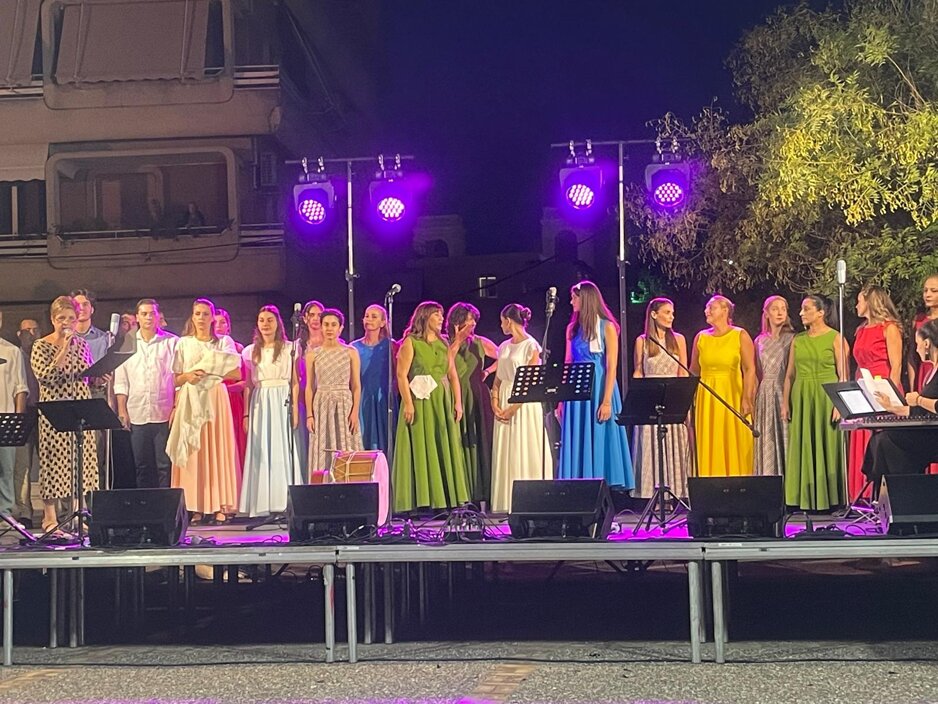
The second transnational event of the OLYMPICEU project took place in Pyrgos and focused on promoting social inclusion and accessible civic participation.
The event explored the structural, physical and digital barriers that often prevent marginalized groups from participating fully in democratic life. Particular attention was devoted to women, young people, ethnic minorities, older citizens and persons with disabilities.
Through workshops, focus groups and participatory activities carried out across the partner territories, participants exchanged experiences and identified practical approaches for strengthening inclusive civic engagement at local level.
Dedicated training and capacity-building sessions also supported local authorities and community stakeholders in developing more accessible and representative participation processes, both in physical and digital environments.
The event represented an important step in strengthening inclusive governance practices across partner municipalities and contributed to building a more accessible and participatory European civic space.

OBJECTIVES OF THE EVENT
The event aimed to analyse the main barriers limiting equal access to civic participation and democratic engagement within local communities.
Particular attention was devoted to identifying practical approaches capable of improving accessibility, inclusion and active participation for underrepresented and marginalized groups.
The programme also encouraged cooperation between local authorities, community
stakeholders and partner municipalities in order to strengthen inclusive governance practices and develop more accessible civic participation processes.


ACTIVITIES CARRIED OUT
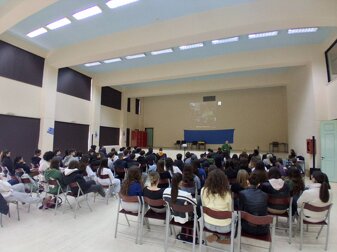
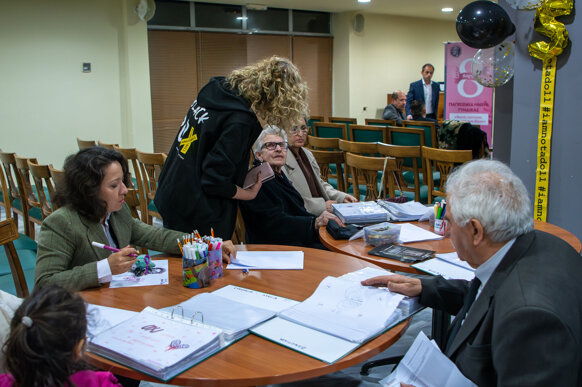
During the five-day programme, participants were involved in a broad range of activities focused on social inclusion, accessibility and democratic participation.
The programme included workshops, focus groups and collaborative sessions dedicated to analysing barriers to participation and identifying practical solutions capable of improving inclusive civic engagement at local level.
Particular attention was devoted to capacity-building activities for local authorities, community stakeholders and civil society representatives, with sessions focused on inclusive governance practices, accessible participation tools and digital civic engagement.
Participants also contributed to co-design activities aimed at developing more accessible and user-friendly participation models, while cooperation meetings with NGOs and community organisations strengthened dialogue and the exchange of good practices among partner territories.
These activities contributed to the development of shared methodologies and practical approaches capable of supporting more inclusive and accessible democratic participation processes.

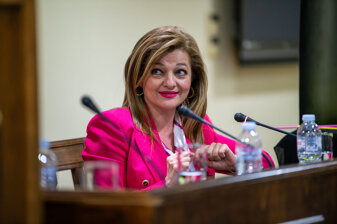
THEMATIC HIGHLIGHTS FROM THE SPEECHES
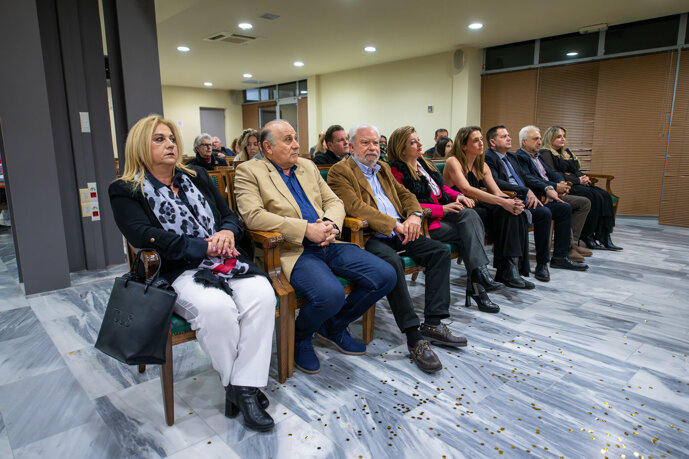
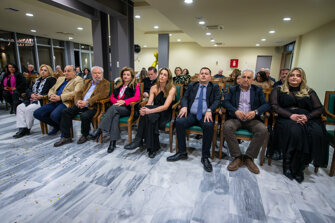
The discussions and institutional contributions delivered during the event focused on the importance of promoting more inclusive and accessible civic participation processes across local communities.
Particular attention was devoted to social inclusion policies, the reduction of participation inequalities and the development of accessible public spaces and civic engagement practices capable of involving all citizens more effectively.
Several contributions also addressed digital inclusion and the need to overcome barriers linked to the digital divide, highlighting the importance of accessible communication tools and inclusive digital participation models.
The event further explored themes related to gender equality, inclusive governance practices and the active involvement of young people, elderly citizens and minority communities within democratic life.
Local authorities, community organisations and civic stakeholders also highlighted the importance of cross-sector cooperation and shared governance approaches in strengthening inclusive participation at local and European level.

PARTECIPANTS :
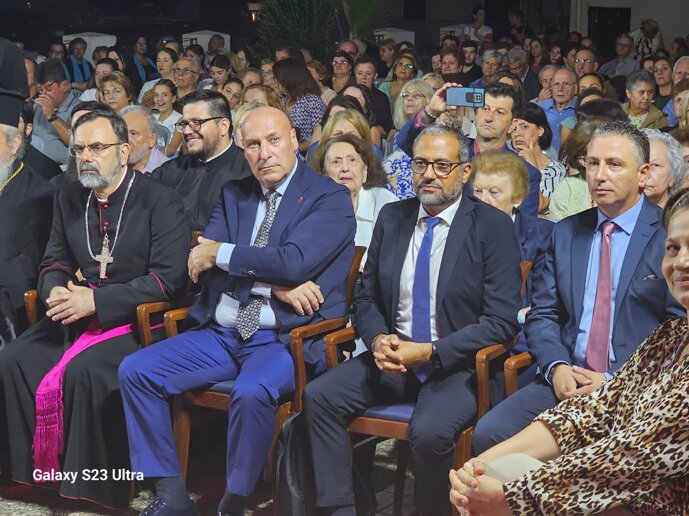
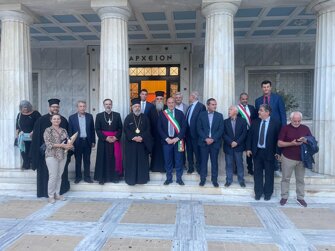
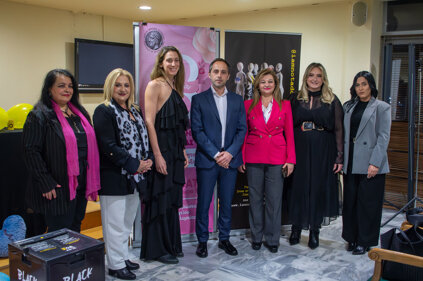
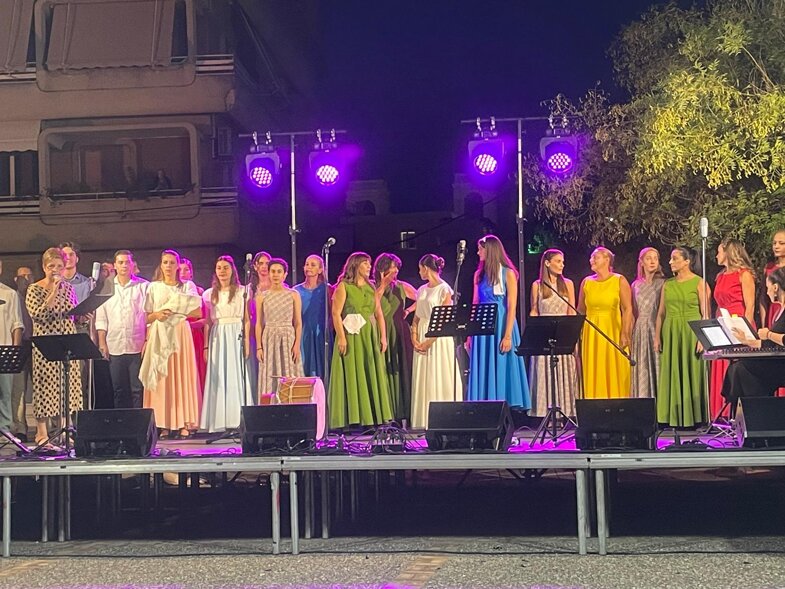
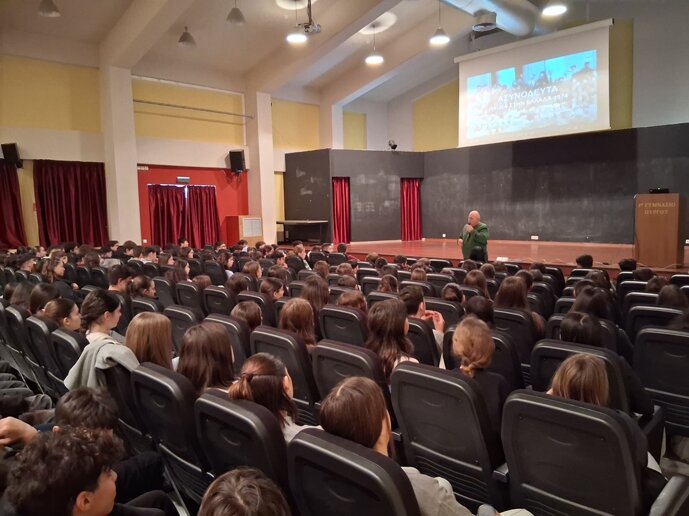
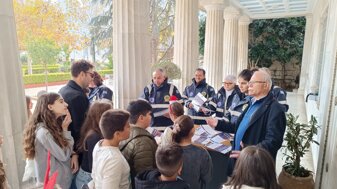
The event brought together a diverse and inclusive group of participants, including representatives of partner municipalities, local authorities, civil society organisations, youth groups, community leaders and stakeholders actively involved in promoting inclusive civic participation.
Participants also included organisations working in the fields of social inclusion, accessibility, gender equality and community engagement, together with citizens from different social and cultural backgrounds.
Particular attention was devoted to encouraging the active involvement of marginalized groups and strengthening dialogue among local communities, institutions and civic actors across the partner territories.
This second transnational event further strengthened the cooperation process initiated during the first project meeting and contributed to consolidating a shared European approach to inclusive and accessible democratic participation.
KEY RESULTS OF THE EVENT :
The event contributed to identifying key barriers affecting civic participation and accessibility across the partner territories, while promoting the exchange of practices and methodologies aimed at strengthening inclusive governance approaches.
The activities improved awareness and competences related to inclusive civic engagement, accessible participation tools and community-based democratic processes among participants and local stakeholders.
The programme also strengthened cooperation among partner municipalities and civic actors, supporting the development of shared approaches capable of improving participation opportunities for marginalized groups and local communities.
The strong participation of local stakeholders, civic organisations and community representatives confirmed the relevance of the themes addressed during the event and reinforced the foundations for the following project activities.
OLIMPICEU
THE EUROPEAN VALUES OLYMPIAD